Movement, Humility, and the Long View
From the Pacific Crest Trail to the rewilding of Knepp Estate, travel has taught me to see land, labour and ambition differently. The real education is in sustained attention.
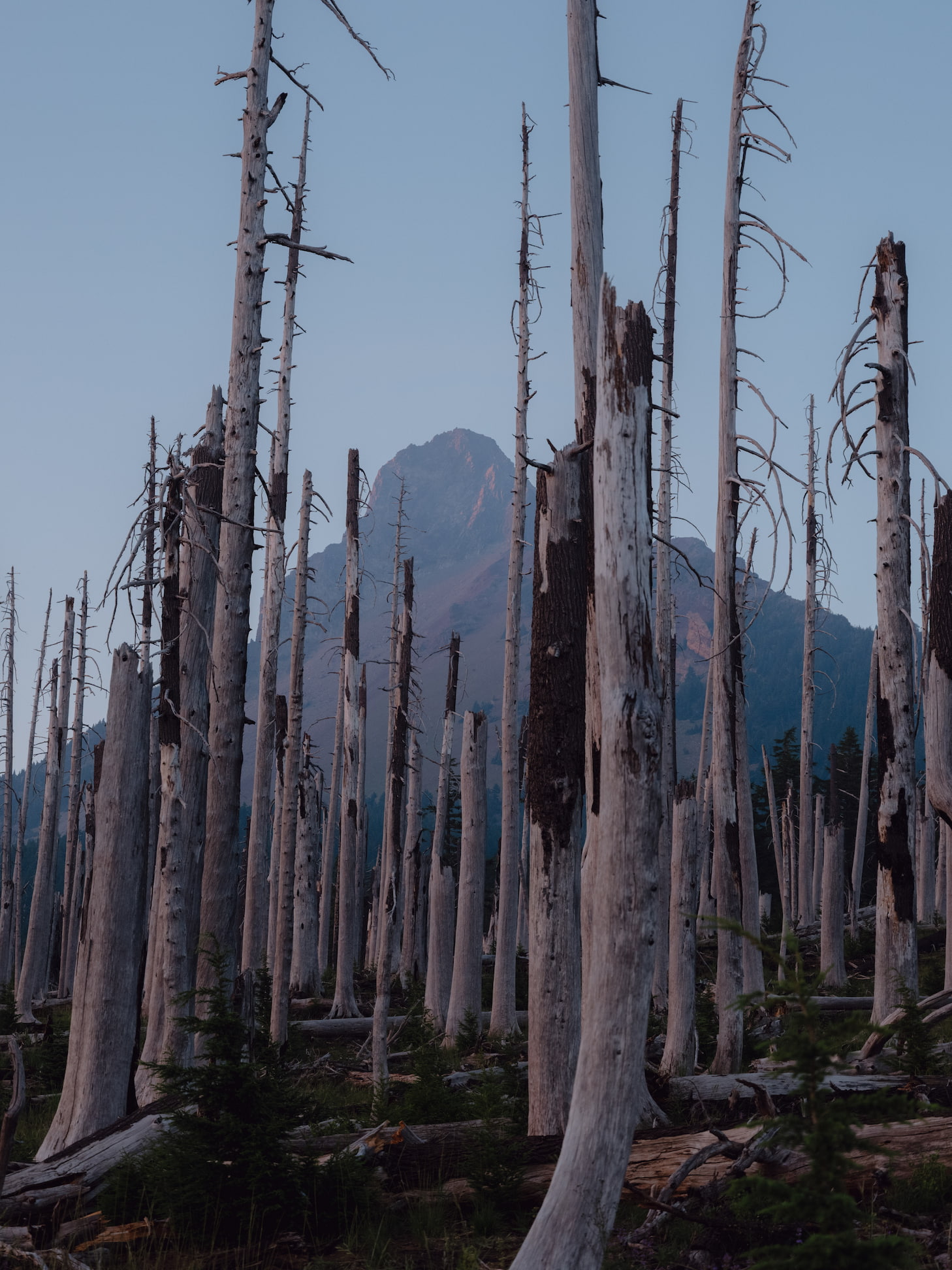
Travel is often framed as escape. A pause from routine. But the longer I’ve worked and moved through places with a camera in hand, the more I’ve come to see it as apprenticeship. Travel teaches you how to pay attention. And attention, properly practiced, is a form of education.
Arriving somewhere unfamiliar sharpens the senses. You notice the quality of light, the smell of soil after rain, the pace at which people move through a market. Ordinary details become legible again. How bread is baked. How boats are tied. How fences are mended. At home, these things blur into background noise. On the road, they feel instructive.
Walking the entirety of the 2,600 mile Pacific Crest Trail was the slowest form of linear travel I have ever undertaken. Five months moving north on foot recalibrated everything. The worries that dominate day to day life lost their volume somewhere between desert heat and high mountain passes. There is little room for ego when your primary concerns are water sources, weather windows and the condition of your feet.
That sustained simplicity revealed something uncomfortable and liberating at once: much of what we are taught to pursue feels strangely weightless when set against real experience. Titles, timelines, metrics of success. On trail, value is immediate and tangible. A clear stream. A dry campsite. A body that still carries you forward. Spending five months outside, sleeping under open sky, you discover how healthy and fundamentally human you can feel when your life is reduced to movement, food, rest and connection. It is not an escape from reality. It is a return to it.
Physical travel enforces humility. Mountains do not negotiate. Weather does not care about deadlines. You learn to plan better, to move slower, to respect risk. Confidence and competence reveal themselves as different qualities.
Much of my work sits at the intersection of conservation, design and travel. Documenting the early rewilding of Knepp Estate’s walled gardens taught me to see land as process rather than product. Divots in former croquet lawns were not flaws but beginnings. Travel to places shaped by restoration or regeneration forces you to think in longer timelines. Years rather than days. You begin to understand landscapes as living systems, always becoming something else.
Slow travel deepens these lessons. When you stay long enough to see patterns, to eat what is in season, to listen before photographing, learning compounds. The education is not in the miles covered, but in the attention you carry home.