The Importance of Framing in Documentary Photography and Cinematography
Framing is not simply about composition. It is about awareness. It is the act of recognising when meaning exists, and more importantly, when it is about to exist.
In documentary visual creation, the most important moments rarely announce themselves. They do not happen when someone is “ready”. They happen in the spaces between. When the subject exhales. When their guard drops. When they believe the camera is no longer looking.
This is why it is essential to keep filming beyond the perceived end of the action. The real takes are often the ones in between. After the director says cut. After the subject relaxes their posture. After the performance ends and the person returns.
People, by nature, perform when observed. Unless they are highly experienced actors, they carry an awareness of the camera that subtly alters their behaviour. But that awareness fades with time. If you remain present, if you keep the frame alive, something else emerges. Something unconstructed. These moments often carry more truth, more weight, and more emotional clarity than the intended action itself.
Framing, in this sense, becomes less about where you place the camera and more about when you allow it to exist.
Another fundamental part of framing is the relationship between filmmaker and subject. Documentary work is built on trust. The camera is not neutral. It represents attention. And attention, when handled poorly, creates distance.
Connection changes this. Humour, honesty, and openness allow the subject to relax into themselves. When you show personality, you permit them to do the same. The barrier dissolves. The frame stops being an observation and becomes a shared space. This shift is visible in the image. You can see when someone is comfortable. You can see when they are not.
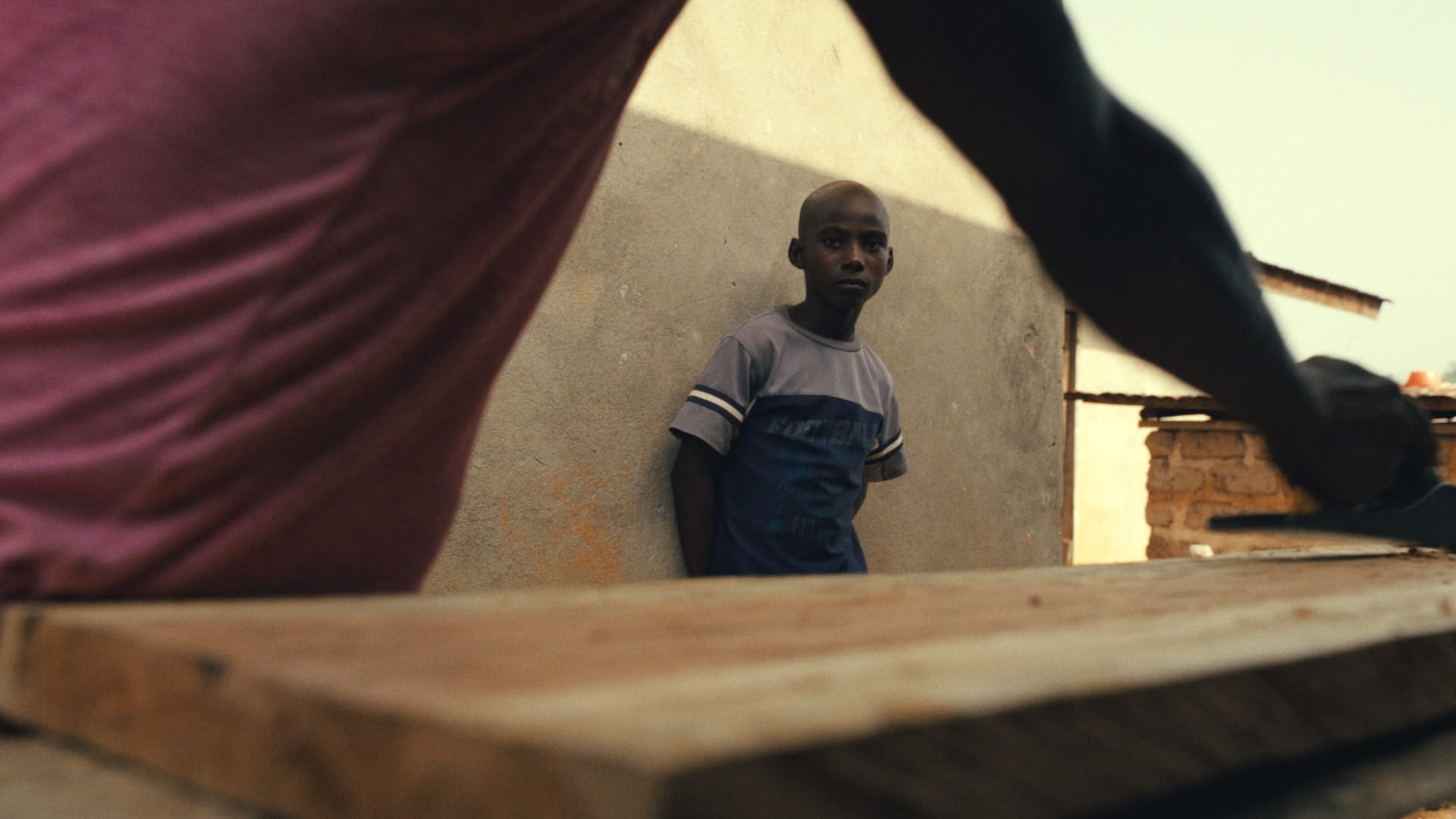
Strong framing also allows multiple layers of meaning to exist simultaneously. A single frame can contain both present action and future implication. For example, showing a carpenter at work is descriptive. But showing his child watching him work introduces something deeper. It suggests inheritance, learning, continuity. The frame begins to describe not just what is happening, but what will happen.
This is where framing becomes narrative.
Each element within the frame contributes to the overall meaning. Background, gesture, proximity, and timing all combine to form something greater than their individual parts. The image becomes a sum, not a singular statement.
Framing is also shaped by intention. A contemporary frame may embrace imperfection, asymmetry, or obstruction to reflect realism and immediacy. A cinematic frame may prioritise balance, depth, and controlled movement to evoke emotional clarity. Neither is inherently correct. The decision depends on what the story requires and what the audience needs to feel.
There are infinite ways to frame a subject. What matters is coherence. The frame must support the emotional and narrative truth of the moment. When it does, the viewer stops seeing the camera. They stop seeing the construction. They simply see the person.
And that is the goal.
To frame in a way that allows reality to remain intact.